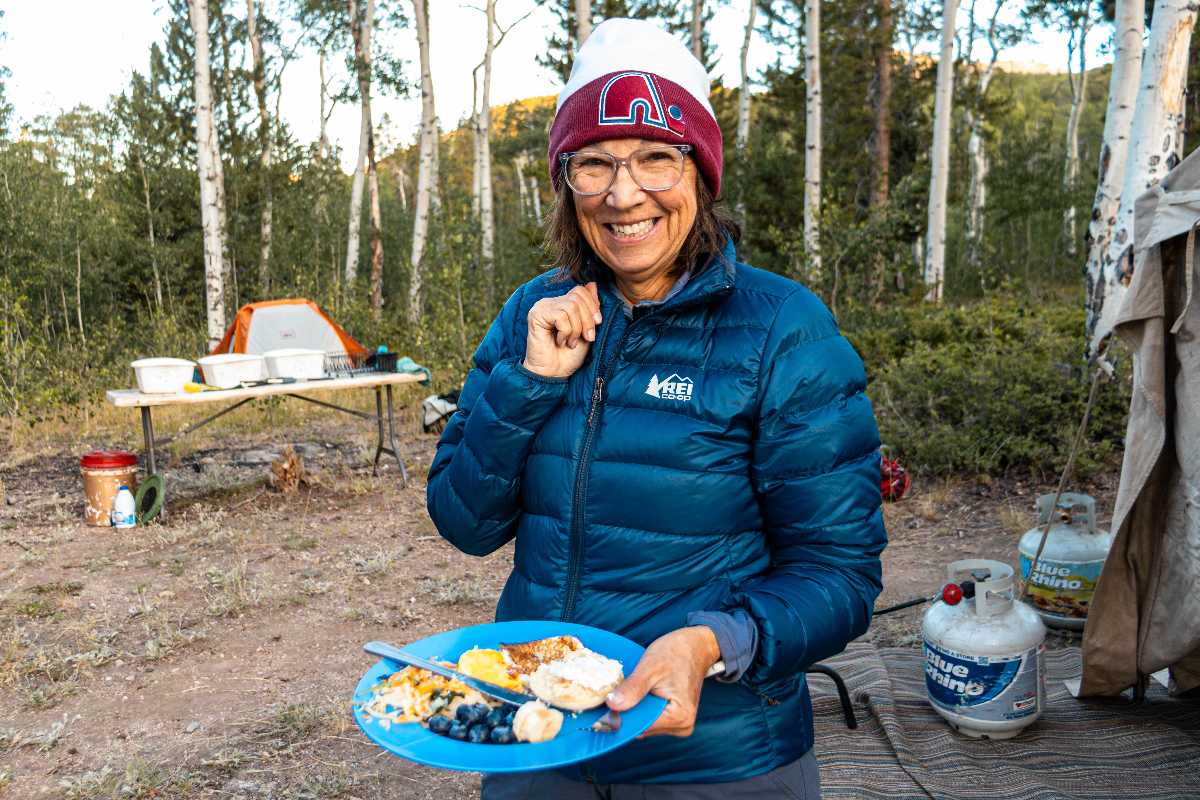
What Do You Eat on a Guided Colorado Hiking Trip?
Food is an important part of any multi-day hiking trip. When you're spending hours on mountain trails, climbing thousands of feet in elevation, and hiking several days in a row, you need enough food to keep you fueled. You also want to enjoy what you're eating.
For hikers considering a guided Colorado Trail trek, one common question is what meals look like during the trip. Do you have to pack several days of food? Will you be eating freeze-dried meals? What do you eat while hiking, and what happens when you arrive at camp?
With Colorado Mountain Expeditions, food is part of the supported hiking experience. Guides prepare hot breakfasts and dinners at camp, while trail lunches and snacks help keep you fueled throughout the hiking day. CME's approach lets you focus on the trail without having to plan, purchase, and carry all the food required for a multi-day backpacking trip.
Here's what to know about eating on a guided Colorado hiking adventure.
What Is Included in the Food on a Guided Hiking Trip?
On Colorado Mountain Expeditions' guided Colorado Trail treks, guides prepare hot breakfasts and dinners at camp. Guests also have lunch and snacks to take along for the day's hike.
This setup provides a combination of substantial meals at camp and convenient food while you're on the trail.
Instead of planning every meal yourself, purchasing several days of supplies, and carrying all that food in a backpack, you can rely on the trip's supported food arrangements.
Exact menus and inclusions can vary by trip. Always review your registration page for the current details about meals, lunch options, and what you should bring yourself.
What Do You Eat for Breakfast?
Breakfast is an important part of getting ready for a long day of mountain hiking.
CME guides prepare hot breakfasts at camp, giving guests an opportunity to eat before packing up their personal tents and heading out on the trail.
A hot breakfast is a welcome part of the morning routine, especially when temperatures are cool at higher elevations. It also gives you a chance to sit down, enjoy a warm meal, and prepare for the day's mileage and climbing.
Your exact breakfast menu will depend on the trip. Check the specific registration page for current menu information and any relevant dietary guidance.
What Do You Eat for Lunch on the Trail?
Lunch needs to be practical to carry, easy to eat during a hiking break, and suitable for a day spent moving through the mountains.
On CME trips, lunch options include guide-prepared deli sandwiches or peanut butter and jelly sandwiches, with choices available to accommodate guest preferences.
You can enjoy lunch during a break along the trail rather than needing to return to camp in the middle of the day.
The timing of your lunch break will depend on the itinerary, hiking conditions, and the group's progress. On longer days, having convenient food available throughout the day is particularly important.
Because individual preferences and trip arrangements can vary, check your registration information for the current lunch details.
What Snacks Do You Get While Hiking?
When you're hiking for several hours, snacks help supplement your meals and provide opportunities to eat throughout the day.
CME provides a variety of snacks for guests to take along while hiking. Having food available in your daypack makes it easier to eat during breaks or whenever you need a little extra fuel.
Your needs will depend on the day's distance, elevation gain, weather, and individual appetite. Some hikers prefer to eat small amounts regularly, while others prefer more substantial breaks.
Pay attention to how your body feels and avoid waiting until you're completely exhausted before eating or drinking.
If you have specific dietary requirements or prefer particular snacks, review your trip's food information and contact CME before departure to clarify what is available and what you may want to bring.
What Do You Eat for Dinner at Camp?
After a full day on the Colorado Trail, dinner is an opportunity to relax, refuel, and enjoy time at camp.
CME guides prepare hot dinners rather than relying on freeze-dried backpacking meals. That means guests can look forward to a freshly prepared meal after a day of hiking, followed by time to relax before the next morning's adventure.
A hot dinner is one of the comforts of a supported hiking trip. You can spend your energy on the trail instead of carrying a stove, managing all your cooking supplies, and preparing every evening meal yourself.
Menus vary, so consult the registration page for your specific trip to see the current food information.
Do You Have to Carry All Your Food?
No. One of the advantages of CME's supported Colorado Trail treks is that you don't have to carry all the food and overnight camping equipment required for a traditional self-supported backpacking trip.
Guests hike with daypacks, while CME transports camping equipment between campsites and provides the meals included in the trip.
You still need to carry your personal hiking essentials and the food and water required for the day according to your trip's instructions. Your daypack should be appropriate for the itinerary and the conditions you may encounter.
This arrangement allows you to experience multi-day hiking without the additional burden of carrying a full backpack loaded with several days of food and camping equipment.
How Much Should You Eat During a Long Hiking Day?
Long-distance mountain hiking requires energy. Your needs will vary based on your body size, hiking pace, terrain, temperature, and the amount of climbing involved.
Rather than assuming that three meals alone will always be sufficient, pay attention to your appetite and how you feel throughout the day.
A few useful habits include:
-
Eat breakfast before setting out for the day's hike.
-
Carry the lunch and snacks provided for your trip.
-
Eat regularly rather than waiting until you feel completely depleted.
-
Drink water throughout the day, adjusting your intake to your exertion and conditions.
-
Follow your guide's instructions about breaks, hydration, and food during the hike.
If you have a medical condition that affects nutrition, blood sugar, hydration, or exercise tolerance, discuss your plans with a qualified healthcare professional before the trip.
What If You Have Food Allergies or Dietary Restrictions?
Food requirements are important to address before a multi-day hiking trip, particularly when meals are prepared for a group.
If you have food allergies, dietary restrictions, or other specific nutritional needs, contact Colorado Mountain Expeditions before registering or as soon as possible afterward. Explain your requirements clearly so the team can tell you what accommodations may be possible.
Do not assume that every menu can accommodate every allergy or dietary preference. Confirm the details directly with CME and review the current information for your specific trip.
If you have a severe food allergy, discuss your needs and the risks with CME in advance and make an appropriate plan with your healthcare professional. Bring any required emergency medication and follow your prescribed emergency plan.
Being proactive helps you understand what food will be available and whether you need to bring additional items.
Why Food Is One of the Benefits of a Supported Hiking Trip
Planning food for a multi-day backpacking trip can take considerable time. You have to estimate how much you'll eat, purchase the supplies, pack everything, and carry it along the trail.
You also have to manage meal preparation and cleanup at camp.
On a supported CME Colorado Trail trek, much of that work is handled as part of the guided experience. Guides prepare hot breakfasts and dinners, lunch and snacks are provided according to the trip arrangements, and camping equipment is transported between campsites.
This lets you devote more attention to hiking, taking in the scenery, and enjoying your time in Colorado's mountains.
It also creates a different kind of camp experience from a traditional backpacking trip, where participants generally manage their own food and cooking arrangements.
Plan Your Colorado Trail Adventure With Colorado Mountain Expeditions
Food is more than a logistical detail when you're hiking for several days. It is part of how you prepare for each day's effort and how you recover when you return to camp.
Colorado Mountain Expeditions combines guided mountain hiking with hot breakfasts and dinners prepared by guides, trail lunches and snacks, and transportation of camping equipment between campsites.
You can enjoy the Colorado Trail without having to carry a full backpack packed with food and overnight gear.
Before registering, review your chosen trek's itinerary and food information, and contact CME with questions about menus, dietary needs, or what you should bring.
Ready to plan your trip? Explore the available guided Colorado Trail treks from Colorado Mountain Expeditions and find an adventure that fits your hiking goals.
Disclaimer: This article was written with the assistance of artificial intelligence (AI) and may contain errors or outdated information. Meal details, menus, and food inclusions may change, so verify current information with Colorado Mountain Expeditions before relying on it. Before making significant changes to your nutrition or undertaking strenuous hiking, consult a qualified healthcare professional, particularly if you have medical conditions or dietary needs that could affect your safety. For trip-specific questions about meals and accommodations, contact the outfitter directly.