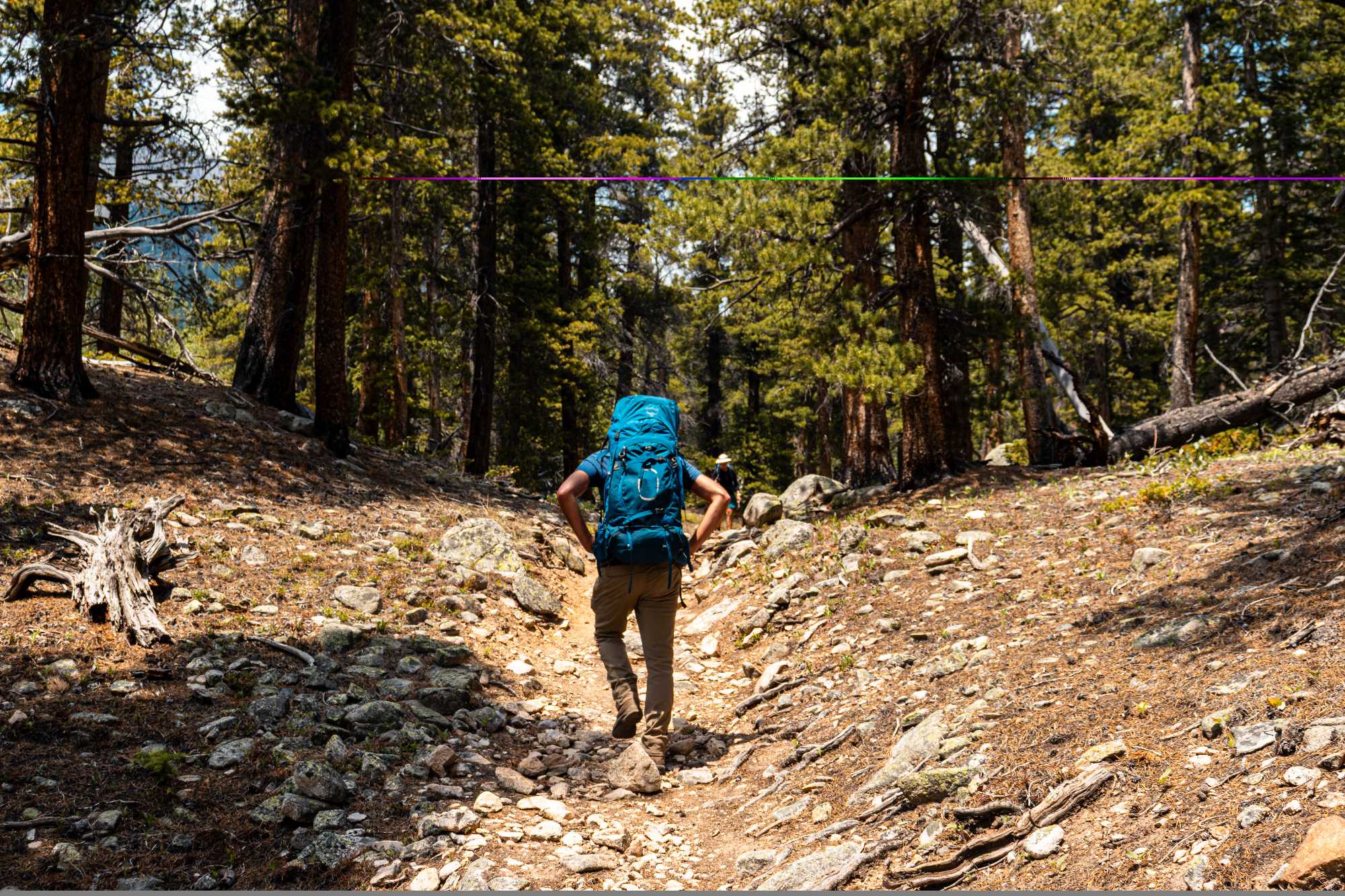
How Many Miles a Day Do You Hike on the Colorado Trail?
One of the first questions people ask when planning a Colorado Trail adventure is how many miles they will hike each day. The answer matters because covering 12 miles on a mountain trail can feel very different from walking the same distance on flat ground.
On a guided Colorado Trail trek with Colorado Mountain Expeditions, hikers typically cover 12 to 15 miles per day, although some days are shorter and others can reach 17 to 20 miles. Elevation gain, terrain, and altitude all affect how demanding those miles will be.
Understanding the daily hiking schedule can help you decide which trek fits your experience, prepare your body for consecutive days on the trail, and arrive ready to enjoy your time in the Colorado Rockies.
How Many Miles Do You Hike Each Day on the Colorado Trail?
For most Colorado Mountain Expeditions Colorado Trail treks, the average daily hiking distance is approximately 12 to 15 miles.
However, that is an average rather than a fixed daily mileage requirement. Your itinerary may include a shorter day followed by a longer one, depending on the route and terrain.
Some guided treks include at least one day of 17 to 20 miles. The easier Hiking and Hot Springs trip and CME's easier Trek options have shorter hiking days than many of the longer, more demanding routes.
This variation is important when choosing a trip. A trek that averages 13 miles per day may still include a significantly longer day, so you should review the complete itinerary rather than relying on the average alone.
You can find the daily distances and other trip-specific details on the registration page for your chosen trek.
Why Elevation Gain Matters as Much as Mileage
Distance tells you how far you will travel, but elevation gain helps explain how much climbing you will do along the way.
Many Colorado Trail treks involve approximately 2,000 to 4,500 feet of elevation gain per day. That amount of climbing can make a 12-mile day substantially more demanding than a 12-mile hike with little elevation change.
Consider two hypothetical hiking days:
-
Day A: 12 miles with relatively gradual climbs and descents.
-
Day B: 12 miles with sustained climbs, steep grades, and substantial elevation gain.
Both days cover the same distance, but Day B may require considerably more effort and time.
Elevation loss matters, too. Descending steep or rocky trails can fatigue your legs and place additional demands on your knees and ankles, particularly after several consecutive days of hiking.
When comparing guided Colorado hiking trips, look at mileage, elevation gain, elevation loss, and terrain together. Those details provide a more useful picture of the physical demands than distance alone.
How Altitude Affects Your Hiking Pace
The Colorado Trail travels through high-elevation mountain terrain, with much of the trail above 10,000 feet. The trail's highest point reaches approximately 13,271 feet.
At these elevations, the reduced availability of oxygen can make strenuous activity feel more difficult, especially if you live at a lower elevation.
You might find yourself breathing harder on climbs, needing more frequent breaks, or moving more slowly than you would on familiar trails at home.
This is one reason you should not assume that your usual hiking pace will translate directly to Colorado's high country.
Give yourself time to acclimatize before undertaking strenuous hiking, start at a manageable pace, and pay attention to how you feel. Altitude illness can affect people regardless of their fitness level.
If you develop symptoms that could indicate altitude illness, do not continue ascending. Seek appropriate medical advice, and descend when indicated. Severe symptoms require emergency assistance.
How Long Will You Spend Hiking Each Day?
The time required to complete a hiking day depends on more than the number of miles.
Trail conditions, elevation gain, weather, breaks, and individual fitness all influence your pace. A day covering 15 miles with sustained climbing will generally require more time than a similarly long day on gentler terrain.
On a guided Colorado Trail trek, you should be prepared to spend much of the day hiking rather than treating the experience like a short morning walk.
CME typically starts hiking early. Guests generally wake around 5:30 a.m., eat breakfast, take down their personal tents, and prepare for the day. Hiking usually begins by 7:30 a.m., with earlier starts on longer days or routes with exposed terrain.
Starting early helps the group make progress during cooler morning hours and reduces exposure to the afternoon thunderstorms that commonly develop in Colorado's mountains during summer.
After completing the day's hike, guests arrive at camp, where the support team prepares for the evening. Hot dinner, camp comforts, and time to relax provide an opportunity to recover before the next day's miles.
Exact schedules vary by trip and conditions.
What Makes Consecutive Hiking Days Challenging?
Hiking 12 miles once is different from hiking 12 miles five days in a row.
During a multi-day trek, your body has to recover while continuing to handle daily mileage, climbing, descending, and the demands of high-altitude terrain.
Even hikers who can comfortably complete a long day hike may find that consecutive days introduce a different challenge.
Foot soreness, muscle fatigue, and general tiredness can accumulate if you are not adequately prepared. That is why training should focus on more than completing one long hike before your trip.
Consider building your endurance through regular walks and hikes, gradually increasing distance and elevation as your fitness improves. Practice hiking on consecutive days when possible, allowing sufficient recovery and avoiding sudden increases in training volume.
Appropriate footwear, well-fitted socks, adequate nutrition, hydration, and sufficient sleep also contribute to your ability to handle repeated days on the trail.
Before beginning a new training program, consult a qualified healthcare professional to determine what is appropriate for your individual circumstances.
Do You Have to Carry a Full Backpack?
One advantage of a supported Colorado Trail trek with Colorado Mountain Expeditions is that you do not have to carry all your overnight camping equipment while hiking.
On CME's Colorado Trail treks, guests hike with daypacks while the company transports camping equipment between campsites. This means you can concentrate on the trail without carrying your full sleeping and camping setup.
The hiking itself is still physically demanding. You must be prepared for the scheduled mileage, elevation gain, altitude, and consecutive days of activity.
However, the supported format provides a different experience from traditional backpacking, where hikers generally carry their shelter, sleeping system, clothing, food, and other overnight supplies.
At camp, CME provides a more comfortable setup that includes shared kitchen and living tents, hot breakfasts and dinners prepared by the guides, and other camp comforts. Guests set up and take down their own personal sleeping tents.
For hikers who want to experience the Colorado Trail without carrying a full backpack, this approach can make a multi-day mountain adventure more appealing.
How to Choose a Colorado Trail Trek Based on Daily Mileage
The right trek depends on your current fitness, hiking experience, and comfort with long days in the mountains.
If you are newer to multi-day hiking, look for an itinerary with daily distances and elevation gain that match your current abilities. Do not assume that a trek is appropriate simply because its average mileage seems manageable.
If you regularly hike long distances and have experience with substantial elevation gain, you may be ready for a more demanding itinerary. Still, consider how your body handles consecutive days of climbing and descending, especially at high altitude.
CME offers guided Colorado Trail treks with different levels of difficulty, including moderate options and more demanding routes through rugged mountain terrain.
Before registering, compare:
-
Daily mileage, including the longest hiking day.
-
Total elevation gain and loss.
-
Terrain and altitude.
-
Number of consecutive hiking days.
-
Whether the itinerary includes a rest day.
-
The trip's stated fitness and experience expectations.
You can also read our guide to choosing the right Colorado Trail trek for your hiking goals before deciding which trip best matches your interests.
Prepare for the Miles Before You Arrive
The best way to enjoy a multi-day Colorado Trail trek is to arrive prepared for the physical demands of the itinerary.
Build your hiking endurance gradually, practice on varied terrain, and work toward handling longer distances on consecutive days. If possible, include hills or sustained climbs in your training rather than focusing exclusively on flat-ground mileage.
Break in your hiking footwear before your trip, learn how to manage hot spots before they become blisters, and become familiar with the daypack and clothing you plan to use.
If you live at a lower elevation, give yourself time to adjust to Colorado's altitude before strenuous hiking. Being physically fit does not eliminate the possibility of altitude illness.
Most importantly, choose a trip based on what you can reasonably handle, not what you think you should be able to accomplish. A well-matched itinerary gives you a better opportunity to enjoy the scenery and experience the trail.
Experience the Colorado Trail With Colorado Mountain Expeditions
The Colorado Trail offers an incredible opportunity to experience Colorado's mountain landscapes over several days of hiking. But before choosing a trek, it is important to understand what those days involve.
With typical daily distances of 12 to 15 miles, substantial elevation gain on many routes, and the challenge of hiking on consecutive days, a Colorado Trail trek requires preparation. The reward is the opportunity to spend several days exploring the Rockies while enjoying the support of professional guides and a comfortable camp setup.
Colorado Mountain Expeditions transports camping equipment between campsites, prepares hot breakfasts and dinners, and provides experienced guides so you can focus on the hiking experience rather than managing a full backpack.
Ready to find your next mountain adventure? Explore the available guided Colorado Trail treks from Colorado Mountain Expeditions and review each itinerary to find the right fit for your hiking goals.
Disclaimer: This article was written with the assistance of artificial intelligence (AI) and may contain errors or outdated information. Verify important details against current trip itineraries and authoritative sources before relying on them. Before beginning a new exercise program or undertaking strenuous or high-altitude hiking, consult a qualified healthcare professional to determine whether the activity is appropriate for your health and fitness level. For trip-specific preparation and safety questions, consult a qualified outdoor professional. Always follow current official guidance regarding weather, trail conditions, and outdoor safety.