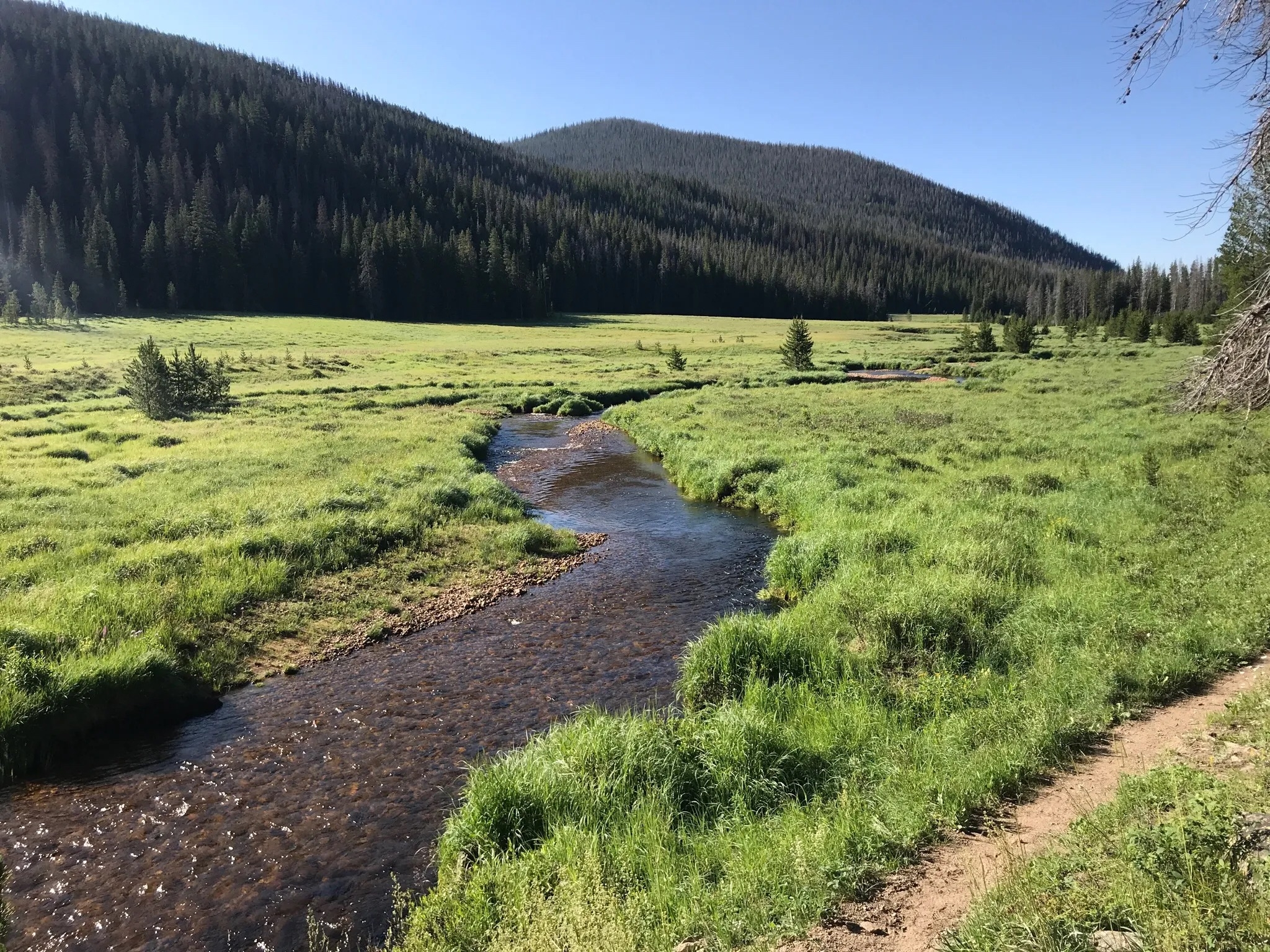
Every year, more hikers venture deeper into Colorado’s backcountry, drawn by alpine lakes, high passes, and the promise of solitude. But what many don’t anticipate is how quickly conditions can shift—and how small issues can escalate into emergencies.
Recent data from Garmin shows that most SOS activations in remote areas are triggered by injuries, medical issues like altitude sickness, or hikers becoming stranded. These aren’t rare घटनाएँ—they’re the most common outcomes when preparation doesn’t match terrain.
What’s important here is not fear—it’s awareness. Because the same data points to a clear conclusion: many of these incidents are preventable with the right support system.
Why Hiking Alone Increases Risk
When you hike alone or without experienced guidance, you take on every responsibility yourself—navigation, weather interpretation, pacing, and emergency response. That’s manageable on short, familiar trails. But on routes like the Colorado Trail, where terrain, altitude, and weather constantly evolve, the margin for error narrows.
A wrong turn can cost hours. A storm can roll in faster than expected. A mild headache can become severe altitude sickness before you recognize the signs. Without a second perspective—or immediate help—these situations compound.
If you’re considering a longer trek, it’s worth exploring professionally supported options like
https://coloradotrailhiking.com/
where route planning, safety systems, and logistics are handled for you.
The Safety Advantage of Hiking with a Group
Hiking with a group fundamentally changes the risk equation. It’s not just about having more people—it’s about shared awareness, faster response times, and better decisions.
In a guided setting, you’re supported from the start. Routes are chosen based on current conditions, not guesswork. Water sources, bailout points, and weather patterns are accounted for before you even step on trail. If something unexpected happens, you’re not solving it alone.
For example, on fully supported trips like
https://coloradotrailhiking.com/traveling-the-ct/guided-trekking/
guides are constantly evaluating terrain, pacing the group appropriately, and adjusting plans in real time. That proactive approach is what prevents small issues from becoming emergencies.
Terrain, Weather, and Altitude: Where Groups Make the Biggest Difference
Colorado’s mountains are constantly changing. From rocky climbs to exposed ridgelines and sudden weather shifts, hiking here requires more than fitness—it requires awareness, timing, and smart decision-making.
For many hikers, the early segments of the Colorado Trail set the tone for the entire experience.
Take Section 1 in the Front Range:
https://coloradotrailhiking.com/traveling-the-ct/guided-trekking/
This stretch begins near Denver and quickly introduces hikers to elevation gain, variable trail conditions, and the physical demands of sustained climbing. While it’s accessible, it often surprises hikers who underestimate the combination of distance and altitude. In a group setting, pace is managed carefully, breaks are intentional, and hikers avoid the common mistake of starting too fast and burning out early.
Moving into Section 2, the terrain becomes more remote and committing:
https://coloradotrailhiking.com/traveling-the-ct/guided-trekking/
Here, hikers begin to feel the rhythm of backcountry travel—longer miles, fewer access points, and increased exposure to the elements. Navigation becomes more important, and small mistakes can cost time and energy. Guided groups help maintain efficiency and direction, ensuring that hikers stay on track and conserve energy for the days ahead.
By the time hikers reach more advanced terrain like Cataract Ridge in Section 6:
https://coloradotrailhiking.com/traveling-the-ct/guided-trekking/section-6-cataract-ridge/
the environment becomes significantly more demanding. Steeper climbs, higher elevations, and more technical footing require both physical endurance and experience. In these conditions, decision-making becomes critical. Guided groups don’t just add a layer of safety—they create the structure needed to move confidently through challenging terrain.
Weather is another major factor across all sections. Afternoon storms are common in Colorado, building quickly and often bringing lightning, wind, and sudden temperature drops. Experienced guides track these patterns closely, adjusting routes and timing to avoid exposure. This kind of proactive decision-making is one of the biggest differences between a stressful experience and a safe, enjoyable one.
Altitude adds yet another layer of complexity. As elevation increases, so does the risk of altitude sickness. Symptoms often start subtly but can escalate quickly if ignored. In a group environment, guides monitor hikers closely, recognize early warning signs, and make necessary adjustments—whether that means slowing the pace, increasing hydration, or descending when needed.
Together, these factors—terrain, weather, and altitude—are what make Colorado both incredible and challenging. And they’re exactly where hiking with a group provides the greatest advantage.
Confidence Changes the Entire Experience
One of the most overlooked benefits of hiking with a group is mental clarity. When you’re not carrying the burden of constant decision-making, you’re able to actually experience the landscape.
Instead of questioning your route or watching the sky with concern, you’re present. You notice more. You enjoy more. And ultimately, you go farther with less stress.
Trips that combine hiking with recovery experiences—like
https://coloradotrailhiking.com/traveling-the-ct/guided-trekking/hiking-and-hot-springs/
take this even further, creating a balance between challenge and restoration that solo trips rarely achieve.
What the Data Really Tells Us
The takeaway from Garmin’s rescue data is simple: most emergencies are not the result of extreme risk-taking. They’re the result of being slightly underprepared in environments that demand a lot.
And that’s exactly where group hiking stands apart.
It replaces uncertainty with structure.
It replaces isolation with support.
And it replaces reactive decisions with proactive planning.
A Smarter Way to Explore the Colorado Trail
If you’re planning to explore the Colorado Trail—or any high-altitude backcountry route—the goal isn’t just to complete it. It’s to experience it fully, safely, and with confidence.
You can start by exploring available trips here:
https://coloradotrailhiking.com/
Because the best trips aren’t the ones where nothing goes wrong—they’re the ones where you’re prepared for anything.
Frequently Asked Questions
Is hiking with a group really safer?
Yes. Groups provide immediate assistance, shared awareness, and better decision-making, all of which significantly reduce risk in the backcountry.
Are guided hiking trips worth it?
For most hikers, especially in unfamiliar or high-altitude terrain, guided trips offer a safer and more enjoyable experience by handling logistics, navigation, and risk management.
What are the biggest risks when hiking alone?
The most common risks include injuries, getting lost, sudden weather exposure, and altitude sickness—all of which are harder to manage alone.