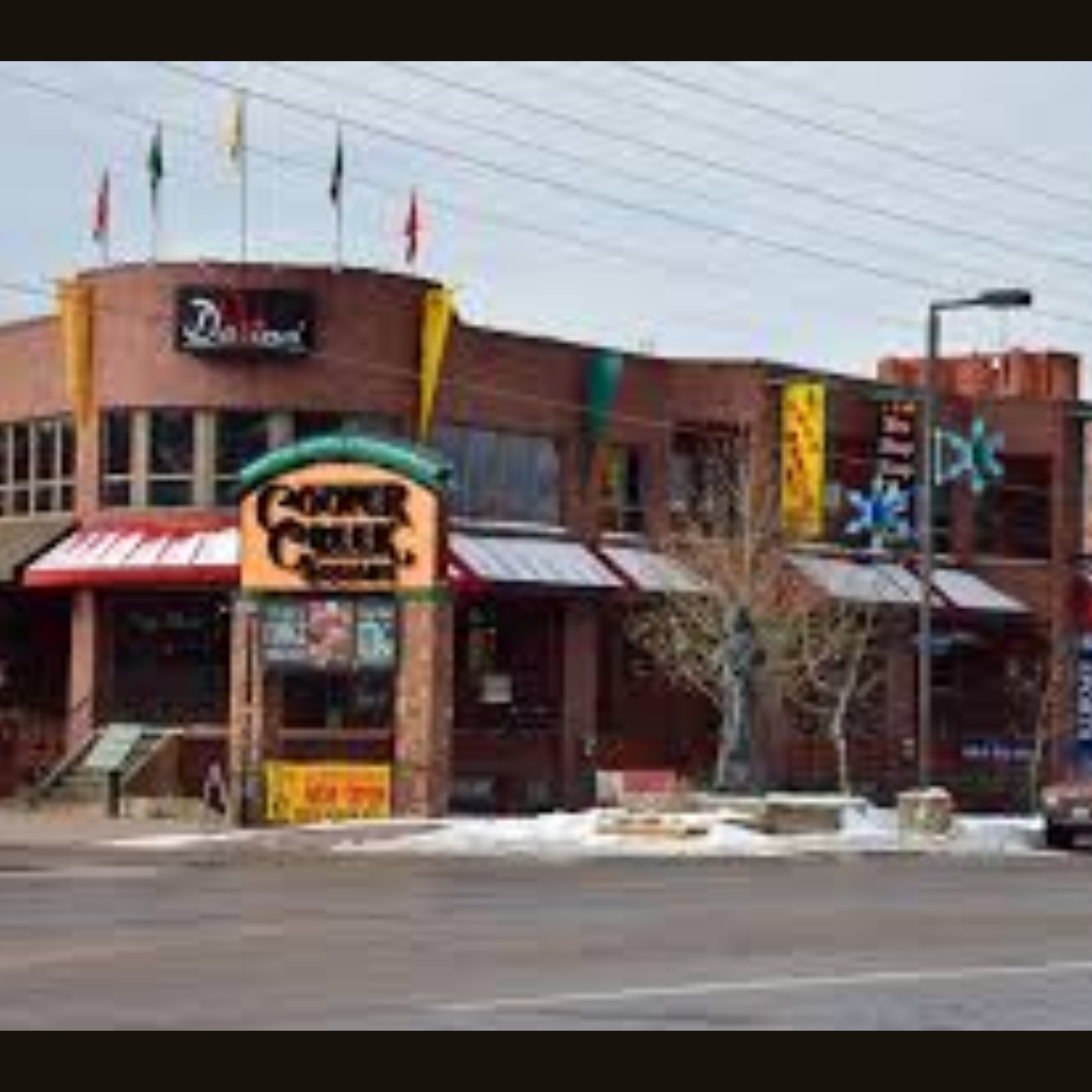
Cooper Creek Square: The Heart of Shopping & Dining in Winter Park, Colorado
Shopping in Winter Park Colorado
By Michele Shutt - October 8, 2025
If you’re planning a trip to Winter Park, Colorado, or you already call Winter Park home, Cooper Creek Square is one of those places you’ll find yourself returning to again and again. Nestled in downtown Winter Park, Cooper Creek Square is an outdoor plaza that blends mountain-town charm with practical conveniences: restaurants that feed locals and visitors, boutiques that sell everything from souvenirs to carefully curated mountain apparel, and a public courtyard that feels like a little outdoor living room for the town. It’s an identity-shaping hub in Winter Park — part shopping center, part community stage, part seasonal festival ground — and it wears all those hats with style.
A quick snapshot of Cooper Creek Square
Cooper Creek Square sits squarely in downtown Winter Park near the transportation hub and provides free covered parking, easy access to the free local shuttle, and a pedestrian-friendly courtyard surrounded by shops and restaurants. The Square is frequently described as Winter Park’s only outdoor dining-and-shopping center, bringing together roughly twenty shops and about nine restaurants (numbers vary slightly over time as businesses change), making it a compact but remarkably complete place to eat, browse, and people-watch in Winter Park. The Square is designed to be walkable and social: there’s a fountain, string lights, seasonal decorations, and an events calendar that pulses on weekends and holidays.
How Cooper Creek Square fits into the Winter Park scene
Winter Park’s identity is a mix of mountain recreation and small-town Colorado hospitality. Cooper Creek Square is where those two strands meet. It’s an easy place to pop in after a morning of skiing or a day of hiking, and equally easy to visit if you’re looking for a relaxed dinner in Winter Park or want to join a summer concert. The Square acts like a living room for Winter Park: locals gather for Thursday market days or summer music series, visitors stop by for a quick coffee and a browse, and the courtyard becomes a stage and seating area for events that draw people from around Grand County. If you’re in Winter Park, Cooper Creek Square is one of the places you’ll learn to recognize and return to.
Layout and atmosphere — what to expect when you arrive in Winter Park
Approaching Cooper Creek Square, you’ll notice an open-air courtyard framed by two levels of storefronts. There’s an entrance from Cooper Creek Way and easy pedestrian connections to nearby streets and the transit hub. The courtyard is the social heart: stone steps, planted beds, umbrellas and tables, a bubbling fountain, and often a small stage with a canopy where local musicians play. In the evenings — especially in winter and late summer — string lights and seasonal decorations make the courtyard glow, and the whole plaza adopts a cozy, communal vibe that feels quintessentially Winter Park. The combination of practical features (covered parking and transit access) and carefully arranged public space is part of what keeps both locals and visitors coming back to the Square.
Dining: Restaurant Row and the flavors of Winter Park
One of Cooper Creek Square’s best features is its “Restaurant Row” — a cozy strip of eateries and cafes that cover a wide set of tastes. Whether you want a quick caffeine hit before hitting the slopes, a relaxed family meal after a hike, or a more adventurous plate to sample local or international flavors, Restaurant Row delivers. The restaurants at Cooper Creek Square have ranged from pizza and burgers to sushi, Mexican, and contemporary American menus. Many restaurants emphasize local sourcing, house-made ingredients, gluten-free options, and approachable dishes that fit the mountain lifestyle in Winter Park: think hearty breakfasts, inventive après-ski bites, and creative small plates for sharing during summer concert nights. The restaurant lineup changes over time, but the emphasis on variety and quality — a place to feed every appetite in Winter Park — is constant.
Practical tip for dining in Winter Park: weekends in the ski season and summer festival weekends can be busy, so plan for a little wait if you’re visiting during peak times. The courtyard seating and casual patios at Cooper Creek Square make it easy to grab a drink or snack and enjoy the mountain air while you wait.
Retail and boutiques — a taste of Winter Park style
The retail mix at Cooper Creek Square leans into the character of Winter Park: locally owned boutiques selling mountain wear, souvenirs, jewelry, toys, and carefully chosen gifts. Here are the common threads you’ll find walking the shop-lined walkways:
Mountain clothing and gear: Shops in the Square stock the essentials for Winter Park life — sweatshirts, tees, hats, and casual layers — and you can often find practical accessories that are great for a last-minute slope run or a casual hike. Colorado-based chains and local retailers complement each other.
Gift and souvenir shops: If you want a remembrance of your Winter Park trip, the General Store-style boutiques carry souvenirs, candles, mugs, and regional keepsakes. These shops are a favorite for visitors hunting for quirky mountain-town gifts.
Toys and family-focused shops: Stores like Imaginations (a toy and puzzle shop) add to the family-friendly charm of the Square and make Cooper Creek a place to bring kids when you need a break from the slopes or trails.
Jewelry and accessories: Smaller galleries and boutiques often carry local artisan jewelry and accessories — nice options for gift shopping or treating yourself during a Winter Park weekend.
A few of the more prominent or commonly referenced names that have been associated with Cooper Creek Square include Christy Sports (a well-known ski and snowboard retailer in Colorado), General Store–type boutiques, and specialty shops like Moose Hollow Trading and Peezie Marie — though storefronts and exact tenant names can change over time as businesses evolve in Winter Park’s dynamic tourism economy. If you’re in Winter Park and need gear, quick gifts, or locally made items, the Square is a compact, well-curated place to shop.
Standout shops — what makes each one special (highlights)
Rather than list every tenant (which can change seasonally), here are the types of shops and a few examples that capture the Square’s spirit in Winter Park:
Christy Sports (and similar gear shops): For ski and snowboard rentals, equipment, and mountain know-how, Christy Sports or equivalent stores are a go-to choice in Winter Park. These shops are staffed by people who understand mountain conditions and can fit you quickly for last-minute needs.
General Store / Souvenir Shops: Classic mountain-town offerings — tees, hats, candles, and souvenirs that feel local to Winter Park. Perfect for picking up a gift or a memento.
Imaginations (toys & family gifts): A colorful destination for kids’ puzzles, stuffed animals, and creative gifts — great for families visiting Winter Park.
Moose Hollow Trading Co. / Peezie Marie (curated gifts): Shops that emphasize curated home goods, kitchen gadgets, and locally flavored accessories that make for distinctive Winter Park shopping finds.
Each shop brings a piece of Winter Park’s culture to the Square: an emphasis on local goods, mountain-minded practicality, and small-business personality.
Events and community life — why Cooper Creek Square feels alive
Cooper Creek Square is as much an events venue as it is a shopping center. The plaza hosts recurring programming that has become part of the rhythm of Winter Park:
Music on the Square: A summer concert series that invites local and regional musicians to perform in the courtyard. It’s a big reason the Square feels like a community center in warm months: families bring blankets, visitors grab dinner on Restaurant Row, and the plaza transforms into a casual open-air venue.
Seasonal festivals and block parties: From summer send-offs to Labor Day celebrations, Cooper Creek Square is a gathering place in Winter Park for larger holiday and festival events. These community-driven events often include live music, kid-friendly activities, and promotions from shop owners.
Light shows and winter decorations: In the colder months, the Square lights up — literally — with a canopy of lights and seasonal decorations that make evening strolls around Cooper Creek feel festive and photo-ready in Winter Park. The winter light canopy is one of the visual signatures of the Square.
If you’re planning a trip to Winter Park and can time your visit to match a Music on the Square night or a seasonal festival, you’ll experience the Square at its most lively — a microcosm of the town’s social life.
Practical details for visitors to Winter Park
Here are practical, visitor-friendly details about Cooper Creek Square that make navigation and planning easier:
Parking: Cooper Creek Square has a covered parking garage that’s free to use for shoppers and diners. The covered parking is a practical asset in Winter Park, where weather can shift quickly from sunny to snowy.
Transit access: The Square sits at a local transportation hub. Winter Park’s free shuttle (the Lift and other local transit options) connect the Square to Winter Park Resort, neighborhoods, and other downtown pockets. If you’re staying in Winter Park without a car, the Square is conveniently reachable.
Accessibility and walkability: The plaza is pedestrian-friendly with accessible pathways between shops, curb cuts, and level areas near restaurant patios. The layout was designed to encourage strolling and casual stops as you explore Winter Park.
Seasonality: The character of Cooper Creek Square shifts with the seasons: in winter, string lights and the proximity to ski transport make it ideal for après-ski dining and gear runs; in summer, the courtyard hosts concerts and outdoor dining with mountain views that feel celebratory and community-focused. Both atmospheres are quintessentially Winter Park.
Shopping in Winter Park — tips from people who know the Square
If you want to shop smartly at Cooper Creek Square while you’re in Winter Park, here are a few tips locals and frequent visitors recommend:
Browse early in the day: Shops are typically quieter in the mornings, which is a great time to chat with shop owners, find unique items, and avoid crowds — especially during peak ski season in Winter Park.
Ask staff for local recommendations: Staff in Winter Park boutiques often double as local ambassadors. They can point you to off-the-beaten-path hikes, quieter slopes, or the best coffee in town.
Pair shopping with music or dinner: Hit the Square a little before a Music on the Square show or an evening dinner — you’ll enjoy the courtyard energy and have options for snacks, drinks, and shopping in Winter Park’s lively downtown.
Bring layers: Evenings in Winter Park can cool down quickly, especially after sunset. Patio seating is lovely but bring a light jacket if you plan to stay into the evening under the courtyard lights.
Sustainability and local business culture in Winter Park
Cooper Creek Square reflects a broader local-business culture in Winter Park: small operators and regional chains that emphasize local sourcing, community events, and seasonal programming. The Square’s boutiques and restaurants showcase local artisans and vendors when possible, and events often feature regional musicians and food partners. This local orientation helps preserve Winter Park’s small-town character even as the town welcomes visitors from across the country and around the world.
A few shopper and diner favorites (general guidance)
While exact tenants can change, visitors to Cooper Creek Square in Winter Park often highlight:
Coffee shops and casual cafes — great for a quick stop before a day on the hill.
Ski and gear shops — ideal for rentals, replacements, or last-minute equipment needs in Winter Park.
Family-friendly stores — toy shops and gift boutiques that keep kids entertained while parents browse.
Diverse restaurants — from sushi and Mediterranean to Mexican and American fare, Restaurant Row supports a range of palates and dietary preferences.
If you’re in Winter Park and want a specific recommendation for a meal or a boutique, the staff at Cooper Creek Square are typically happy to steer you to an option that fits your taste and timeframe.
Planning your visit to Winter Park — when to go to Cooper Creek Square
Winter season (ski season): Ideal for après-ski dinners, a quick gear run, or shopping for cold-weather essentials. The covered parking and transit access make the Square particularly convenient in snowy conditions.
Summer (festival season): The courtyard concerts, outdoor dining, and artisan pop-ups make summer an especially festive time in Winter Park at Cooper Creek Square. Music on the Square is a highlight for locals and visitors alike.
Shoulder seasons (spring and fall): These quieter times are perfect for shoppers seeking a mellow Winter Park experience — fewer crowds, easier parking, and a chance to stroll the Square more leisurely.
Final thoughts — why Cooper Creek Square matters to Winter Park
Cooper Creek Square is more than a collection of shops and restaurants — it’s a communal space where Winter Park’s mountain culture and small-town social life come together. Whether you’re popping in for a coffee before hitting the slopes, staying for a summer concert, or taking home a handcrafted souvenir after a day on the trail, the Square is designed to make those moments feel stitched into the town’s rhythm. The layout, the seasonal programming, and the tenant mix all reflect a deliberate effort to keep Winter Park accessible, welcoming, and lively. If you visit Winter Park, make time to walk the Square — linger at a café, listen to music, and soak in a very local slice of mountain-town life.
Join our bike trip mailing list to get updates on upcoming adventures, iconic trails, new trip dates, and a peek behind the scenes of our fully supported rides. You’ll get early notice when new bike trips open for booking and when spots become available.
Art Trip Mailing List
Join our art trip mailing list to get updates on upcoming retreats, featured artists, inspiring destinations, and a peek behind the scenes of our creative adventures. You’ll get early notice when new art trips open for booking
Hiking Trip Mailing List
Join our email newsletter mailing list to get updates on upcoming retreats, featured artists, inspiring destinations, and a peek behind the scenes of our creative adventures. You’ll get early notice when new art trips open for booking
Newsletter Sign Up
Sign up for our newsletter to receive special offers, discount codes, insider information, and more!
Required Reading
Welcome To The Colorado Trail Trekking Program
The Colorado Trail Trekking Program treks allow you to hike 10-20 miles a day on The Colorado Trail while carrying only a daypack. Your tent and personal gear are transported to the next campsite where crewmembers set up camp including; a kitchen tent, toilet tent and shower tent. All meals are planned and cooked for you.
We will pick you and your gear up on Sunday (prior to the first day of hiking) at one of the central locations as described below. We will transport the entire group (who signed up for that week) to Sunday night’s base camp (trailhead where the hike will begin on Monday).
The driving time in the van from the central meeting location to the first nights base camp (Sunday night) varies from one hour to two and a half hours depending on which section.
You are responsible to arrange your own transportation to and from the central meeting location. Some suggestions are offered below. Please call Dan & Emily at 970.726.0963 if you need some directions or the suggestions explained. We will be happy to answer any questions.
Everyone must meet at the central meeting location on Sunday at the specified time.
The exact time at which you must arrive on Sundays central location will be available on the website the end of April. (For approximate planning purposes, most of the meeting times have been after 1pm with the exceptions of sections 6 and 7 whereupon the meeting times have been around 11 am.)
No lunch is provided at the Sunday meeting location. Please bring your own lunch (or eat prior) for that day.
An evening meal is provided for Sunday (prior to the hike on Monday).
Sunday's Central Meeting Locations for each week section:
Section 1 - Jefferson County: Jefferson Countey Community Center
Your vehicle (owned or rented) will remain at this central location for the duration of the week. Vehicles have been left at these locations in past years without theft or damage. We hope this trend will continue, but we cannot guarantee ultimate security since these parking locations are not in a totally secure environment. To be on the safe side, we recommend not leaving valuable items in the vehicle. You will be brought back to this central location as scheduled after the week’s trekking.
How Do I Get To The Various Meeting Locations?
You can drive your own vehicle, rent a car, or take a shuttle (shuttle available for sections 2, 3, 6 and 7).
Driving Time to the various meeting locations:
From Denver to:
Leadville: 3.5 hours
Poncha Springs: 3.5 hours (Salida Colorado is just ten minutes away)
South Fork: 4.5 hours (Creede is an additional 30 minutes)
Durango: 6.5 hours
From Colorado Springs to:
Leadville: 2.5 hours
Poncha Springs: 2 hours (Salida is just ten minutes away from Poncha Springs)
South Fork: 3.5 hours (Creede is an additional 30 minutes)
Durango: 5.5 hours
From Durango to:
SouthFork (section 5): 2 hours
From Albuquerque N.M. to:
SouthFork (section 5): 3 to 4 hours
What if I Live Outside the State of Colorado?
You need to arrive at least four days early to get acclimated to the higher altitude. If you do not arrive four days early, it will be most likely that you will get altitude sickness, which will prohibit you from hiking.
The following list is intended to help you understand the gear and supplies you will need for safety and comfort on the Colorado Trail.
MOUNTAIN WEATHER IS BE EXTREME! BE PREPARED FOR COLD, WET WEATHER!
When packing, remember that it may be sweltering at your house, but the mountains will certainly be different! Pack warm, fast-drying clothes. Weather is something we cannot predict. Be prepared for all extremes; sunny and hot, or cold, wet, windy and stormy.
SPACE IS LIMITED ON THE TRUCKS
We need to fit a week’s worth of camp gear, food, water and personal belongings for eighteen people onto two trucks. There is not an abundance of room for extra “stuff”. We want you to pack what you will need to be comfortable for the week but PLEASE only bring what you need.
You will be limited to TWO soft duffel bags (up to 35 lbs each) and your day pack. Please don’t bring hard suitcases. This would be a good week to use dry bags if you own them. We will do everything in our power to keep you gear dry, but wet weather can be insidious!
PERSONAL FOOD
We supply and prepare large, healthy breakfasts and dinners. Lunches are packed buffet style, with many options from sandwiches to fruit to candy! If there is a specialty food item that you really need or enjoy, feel free to bring it and we can store it for you. Please notify us (via Health Form) if you have dietary restrictions.
BEVERAGES
We provide an assortment of beverages; coffee, tea, soft drinks, Gatorade, juices, milk and of course potable water. We encourage you to increase your water consumption a few days prior to the trip and during the entire trip.
Alcohol is not provided. However, you may bring your own alcohol and keep it in our coolers. Cans and box wines are preferred rather than bottles.
By John Vonhof
Author of “Fixing your Feet: Prevention and Treatment for Athletes”
Being Proactive or Reactive
Every hiker, from the first-timer to the experienced, must make the choice to be either reactive or proactive in managing blisters. Being reactive means taping hot spots and fixing blisters when they develop. It means making fixes under less than ideal conditions, with less than adequate materials and in a manner that does not work for your particular foot problem. Being proactive, on the other hand, means discovering before a trip, what works for your feet and knowing how to treat any potential problems before they develop. This means knowing what resources are available to use and trying out blister fixes before the hike. It can also include pre-hike taping of your feet where hot spots and blisters typically develop. Being proactive means doing your homework.
It is essential to have shoes that fit properly, are broken in, and are appropriate for the terrain and weather you will encounter. Find the best socks for your feet, preferably ones that wick moisture away from the skin. Some racers like single-layer socks, others like double-layer, and still others use a two-sock combination.
Preventing hot spots and blisters requires knowledge of what is best for your feet. Some feet respond well to lubricants while others are best when powders keep them dry. Others require taping to protect hot spots and blister prone areas. There are several types of tape to use on the feet and there are several combinations of products that make the feet more resistant to blisters. All of these must be tried before a hike.
The First Line of Blister Defense
There are several blister-reducing options that should be our first line of defense. The first goes without saying - good proper fitting shoes or boots. This is more important than anything else. Secondly, do not go on a long hike with new boots that are not broken in!
Proper socks are next. Moisture-wicking socks are available from almost every sock manufacturer, and given a choice, should always be picked before an all-cotton sock. We recommend two pair of socks or double-layer socks offer an inner layer that moves against the outer layer, reducing friction to the skin. Try several different types of socks of various weights and fabrics.
Lubricants are next on the list. Most hikers grew up using a lubricant, usually the age-old standby, Vaseline. Another favorite is Bag Balm, a salve with healing properties. Newer, state-of-the-art lubricants may contain silicone, pain-relieving benzocaine, or antifriction polymers. The trick with lubricants is to reapply them frequently, being sure to clean off the old layer before another application. Remember that lubricants and grit don’t mix. The grit will quickly become an irritant, then a hot spot, and finally a blister. If your skin becomes too tender from the softening effects of the lubricant, then powders may be better for your feet.
Powders can help reduce friction by absorbing moisture. This reduces friction between the feet and the socks. Dry skin is more resistant to blister formation than skin that has been softened by moisture. Beware of powders that cake up and cause blisters. A good powder, like Zeasorb, will absorb many times its weight in moisture. Simple and readily available cornstarch also works.
Thank you for your interest in the treks on The Colorado Trail. We would like to remind you that all of our trekking sections are relatively arduous. You need to be serious about getting in condition to hike! This letter offers some guidelines to achieve that objective.
We want you to enjoy your trek on The Colorado Trail, but in order to do that you MUST be in good physical shape. The better shape you are in, the happier your body will be and the more fun you will have. You will not be able to “get in shape on the trail”. That doesn’t work well and it’s hard on your body, spirit and hiking companions. We have had hikers arriving at camp after dark, exhausted, in pain and unhappy. This creates a dangerous situation for you, the other trekkers, and the staff.
Please plan ahead and get in good hiking condition NOW! Every section on The Colorado Trail has at least one advanced day, so you need to be prepared. Remember that most of The Colorado Trail starts at 9,000 ft. and goes UP!!! If you are coming from a lower altitude, try to come to Colorado two to three days early to become acclimated. At high altitude, your heart and lungs must work harder to get enough oxygen into your body. You tire more quickly, your body slows down, and your muscles can stiffen. This can easily ruin what was to be a good experience.
We all have busy schedules, and sometimes it is hard to fit in a workout, but it can be accomplished. Walk as much as you can on a daily basis. Find a co-worker who would like to walk with you on your lunch hour. Take an aerobics or spin class. Ride a bike. Jog. Swim. Be as active as you can! Every little bit helps. Work out at least 4 days a week for 6 weeks prior to your trek departure. Devote your weekends or days off to longer workouts. Make sure you can comfortably hike as many miles as the longest day on your CT week. Put your day hiking gear and 3 liters of water into your day pack and climb hills, exposing yourself to as much altitude as possible. Your Colorado Trail trek will be a fun, yet physically demanding adventure. Please do your part to help make your trek as safe as possible for everyone involved.
Your Action Plan For A Well-Prepared Week:
WATER: Drink plenty of water during all of these activities. Being hydrated will help you think clearly and alleviate sore muscles. Do not wait until you are thirsty before drinking. Take a drink of water at regular intervals. By the time you are thirsty, you could already be in trouble.
FOOTWARE: One of the first things to do is to break in your boots/trail shoes. If you have a pair you are planning to use, check them carefully. If you need to replace them, do it now. Hiking in a pair of fairly new boots can be painful and blister producing. You can wear them around the house, on your lunch hour walk, or at any other time. Gradually wear them for longer and longer periods. Get your boots soaking wet and then walk in them. This will help them to form to your feet. You MAY choose to bring 2 pairs of boots, to use on alternating days.
SPEED: Your goal is to be able to hike at a 2 to 3 miles per hour rate, carrying weight and going up and down hills. Start slowly so you do not get sore or pull muscles. Be pleasantly tired, but not exhausted. Push your limits every day and you will be surprised how quickly you expand your hiking ability.
DURATION: Start out hiking one hour a day and build up to 3-4 hours a day, with more hours on weekends. Most treks are 6 to 8 hours each day, so you must be prepared for longer hikes. Note: you should be working out four days a week for 6 weeks prior to your trek departure.
WEIGHT: Put about 10 pounds in your backpack when beginning your conditioning schedule. Gradually build the weight up to 20 lbs.
CONSISTENCY: Walk EVERY day. Hike EVERY weekend. Consistency and frequently builds stamina gradually so you do not injure yourself.
HIKE HILLS! Train on hills, stairs, or whatever is available. For Section 6 or 7, increase your pack weight to 25 lbs. Plan more extended climbs with steeper inclines.
If you would like to take a rest day during your trek week, just let us know. You are welcome to ride with the crew. It is best to not hike a day if you feel overtired, have foot problems or need a break. You do not want to become a danger to yourself or others.
Finally, enjoy your hike. Don’t feel rushed if others hike faster than you. This is not a competition. Hike at a comfortable pace, but don’t plan to take a nap on the trail, especially on a long day. We get an early start in order to avoid afternoon thunder and lightening storms. It is nice to get to camp early enough to relax, have a shower, socialize, and set up your tent before dinner.
Mornings:
The mornings can be the most hectic part of the day. We will usually do a wake-up call around 5:30 am. The time of the wake-up call depends on the
length and difficulty of the hiking day.
At this time, you have four major challenges: eat breakfast, pack your daypack, take down your tent, and pack personal gear for us to load onto the truck. Lunch will be prepared the evening before and stored in a cooler. Please remember to grab your lunch… or you’ll have to beg for scraps from your new friends on the trail! You can avoid some of the morning chaos by doing some ‘evening prep’. Fill your water bottles, pack your daypack, have your next day’s clothes ready, and pack all unneeded items in your duffle.
A hot breakfast is served between 6:00 and 6:30. French toast, hot cereal, pancakes, scrambled eggs or omelet will be some of the offerings during the week. Also available every morning are cold cereals, fresh fruit, yogurt, bagels, cream cheese, instant oatmeal, milk, juice, coffee, teas and hot chocolate.
After breakfast, the crew will be loading up the community camp. If you haven’t already taken your tent down and packed, do it NOW! If your neighbor is running late, consider lending a helping hand. We give extra brownie points to those who help the crew tear down camp and load the trucks.
If mornings seem a bit rushed, it’s because they are! The faster the trucks are loaded and ready to move to the next camp, the faster we can start our hike. Early starts means less likelihood of being caught in late afternoon thunderstorms or arriving in camp after dark! Before the hike can begin, all hikers and crew need to sweep the camp for trash and forgotten items. We want the hike to begin between 7:00 and 7:30 am. The hiking leader for the day will assemble you and give you some final instructions and maybe words of wisdom. The hike cannot begin until everything is loaded and the trucks have their engines running. The reason for this is on one trek the hikers left camp before the trucks were ready to roll and it was discovered that a crewmember had truck keys in his pocket. Another crew member had to RUN up the trail to retrieve the keys!
Hiking:
On your hike, there will be 2 crew members on the trail with you; a ‘leader’ and a ‘sweep’. Each will carry radios to keep in contact with each other and with camp. You are encouraged to hike at the pace that is comfortable for you, but you cannot dawdle. Since we are all of different hiking abilities, we may become quite spread out during the course of the hiking day. We encourage hikers to find at least one ‘buddy’ with whom their hiking style is compatible. In general, the trail is well marked and easy to follow, but the leader will mark any uncertainties on the trail with brightly colored flagging or arrows in the dirt. If at any time you and your buddy become confused or are uncertain that you are on the correct trail, stop and wait for more of the group to catch up to you. Be responsible and aware of your route. If you need to leave the trail for any reason (call of nature, etc.), leave your pack on the trail so you are not overlooked and passed by the sweep guide.
Drink plenty of water! Drink often! Down a quart before you even leave camp in the morning! The importance of hydrating cannot be overstated!!! Do not drink from a stream without a filter or iodine tablets. Eat several snacks in between actual meals. You are burning plenty of calories. Do not wait until you are uncomfortably hungry or thirsty before eating or drinking. Take care of your body before it asks for it and you will feel a lot better.
Hopefully, your hiking shoes are well broken in. Put a blister care product on any known pressure points and stop immediately on the trail to add more if you feel any new ‘hot spots’. It’s easier to prevent blisters than it is to deal with them once they have arrived. Ask for help early before blisters become a serious problem. **See the other printouts for more information on boot and blister care.
Be liberal with sunscreen, and always carry rain gear. In other words, be prepared for any kind of weather--this is Colorado! Your daypack should contain: extra warm clothing (wool or polypropylene are better than cotton), hat, gloves, extra socks, rain pants and jacket, sunscreen, lip balm, camera, lunch, snacks, water, and blister care kit. Don’t bother to bring a cell phone as experience has shown that they do not work well in our mountains. A cap or visor and UV protective sunglasses should help shield your face. Some hikers find a walking stick or hiking poles extremely useful. Finally, enjoy your hike! Don’t feel rushed if others hike faster than you. If you would like to take a rest day, just let your leader know and you can ride with the crew.
When you get into camp, the community tent will be up, the crew will be preparing the evening meal, and there will be snacks or hot soup to refresh you. The shower tent will be up and you will be provided with 2 ½ gallons of warm water to clean up with. We provide a mechanism that pumps warm water through a hose and out of a small plastic showerhead. While you are awaiting your turn to shower, this is the time to set up your tent, relax, eat, and get to know your fellow trekkers.
Dinner/Evening Activities:
Dinner will be served about 6:00 pm. Please try to be on time so no one misses out. If there is more food left after everyone has served himself or herself, then please have seconds. We do not like to have leftovers. We want everyone to be well fed, so please let us know if you have any special needs. Most of the menus have the meat separate to accommodate those who are vegetarians or have special dietary needs.
After breakfast and dinner, the crew sets out a row of dishpans for you to wash your dishes. These dishpans contain: #1: soap, #2: soap, and #3: bleach water rinse. There will be drying racks at the end of row. When you are finished with your dishes, the crew will do their personal dishes and then clean the cooking pots and pans..
Lunch fixings will be spread out on a separate table. These will include: assorted breads, peanut butter, jelly, cookies, fruit, cheese, carrot sticks, chicken or tuna salad, summer sausage and snacks. Fix a yourself a generous lunch with plenty of snacks. Take a few candies to help with your energy level and to moisten your mouth. Remember, you are burning extra calories. If there are any additional foods you would like, let us know and we will try to accommodate you. (We do draw the line at live lobster though.) By the time the dishes are finished and lunch has been fixed, people are starting to head to their tents for a well deserved rest. If you stay up later than most, please respect others’ need for sleep.
Other Camp Details:
There is a hand washing station available at all times. We strongly encourage its use!
We have plenty of potable water available for drinking.
Colorado Mountain Expeditions: Payment and Refund Policy
Colorado Mountain Expeditions recommends that you purchase travel insurance to protect yourself against unforeseen incidents such as injury or family emergencies.
Here are a few travel insurances that we recommend:
90 days prior to trip start date *failure to pay final payment at 90 days will result in removal from trip
Bailout Policy
Colorado Mountain Expeditions offers trips in the rugged backcountry of Colorado. Unfortunately, not all guests who take a trip with CME come prepared. Poor equipment choices, an inability to hike the advertised distances and elevations, trouble at home or work, and many other reasons have led guests to ask for a ride out of the backcountry to either their cars or the closest town. A ride out of the backcountry is not always possible, but when it is, the ride is often very long over very rough roads. Such a ride can be incredibly costly from wear and tear on vehicles to taking a guide away from the trip. A ride from camp will incur a $250 bailout fee.
If during your trip you decide that you cannot continue hiking, you are always welcome to take a rest day(s) and ride along with the swing crew. There’s no fee for continuing on the trip in this manner.
Any guest experiencing a medical emergency is not subject to the bailout fee.
Refund Policy for all Colorado Mountain Expeditions trips
Cancellations-more than 90 days before trip start
Transfer Options:
Guest can transfer to another trip in the current year- $100 Transfer Fee. CME will transfer their deposit to the new trip when the $100 transfer fee is paid (payment must be made within 4 business days).
Guests may only move registration to another trip once
No refunds will be provided for the moved-to trip, even if a replacement is found.
Replacement Options:
Guests find their own replacement– no additional fee.
Guest is replaced from waitlist -$100 replacement fee, remaining payment is refunded.
Guest forfeits any payments if no replacement is found.
It is very uncommon to be able to replace a hiker from the waitlist with less than 6 months notice.
Cancellations within 60 days
Transfer Options:
Guests can transfer to another trip in the current year- $200 Transfer Fee CME will transfer their deposit (or full payment) to the new trip when $200 is paid (within 4 business days).
Replacement Options:
Guests find their own replacement– no additional fee.
Guest is replaced from waitlist -$200 replacement fee, remaining payment is refunded.
Guest forfeits any payments if no replacement is found
It is very uncommon to be able to replace a hiker from the waitlist with less than 6 months notice.
Cancellations within 30 days
Transfer Options:
No transfers options are available within 30 days
Replacement Options:
Guests find their own replacement- no additional fee.
Guest is replaced from CME Waitlist- $400 fee, remaining payment is refunde
It is very uncommon to be able to replace a hiker from the waitlist with less than 6 months notice.
Arrow Adventures LLC (dba CME) reserves the right to cancel any trip because of inadequate enrollment, making it economically infeasible to operate. In this situation, we will offer a full refund, including the ordinarily non-refundable deposit. CME reserves the right to cancel any trip because of good-faith concerns towards the participants' safety, health, or welfare or for any Force Majeure. "Force Majeure" means any circumstances beyond our reasonable control, including, but not limited to, acts of nature, flood, forest fires, extreme weather, sickness, quarantine, pandemic, diseases, and unforeseen circumstances. Arrow Adventures LLC will not be deemed in breach of these terms or otherwise liable to you because of delay in performance or nonperformance of any of its obligations under this agreement to the extent that any such delay or nonperformance is due to any Force Majeure. In these instances, a full trip credit will be issued minus any reasonable expenses incurred by CME related to your booking. Refunds are not offered in these situations. CME is not responsible for additional expenses incurred by preparing for the trip (for example, non-refundable airline tickets, rental cars, clothing & equipment, visa fees, medical expenses, etc.). *We highly recommend Travel Protection Insurance if you are uncomfortable with any aspect of these policies.