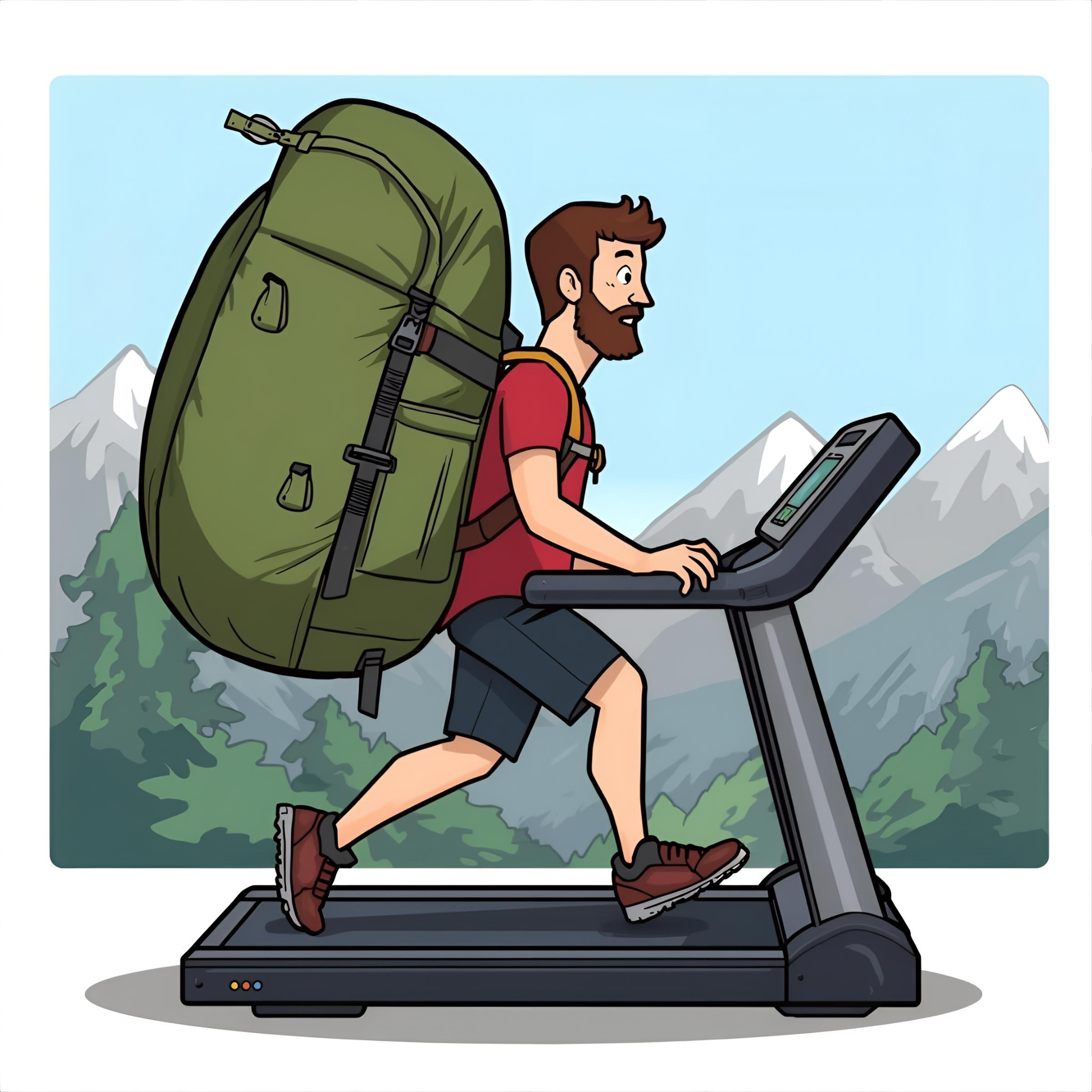
Many hikers put in the time to get fit before summer, only to be surprised when their first few hikes still feel harder than expected. Their legs are strong, their cardio is solid, and yet something feels off. Often, the missing piece is simple: they haven’t trained with a pack.
Carrying weight fundamentally changes how your body moves, breathes, and fatigues. Even a relatively light pack increases the demand on your legs, core, shoulders, and cardiovascular system. When you add hours of hiking on uneven terrain, those demands multiply quickly.
Pack training isn’t glamorous, but it’s one of the most effective ways to prepare for real hiking conditions. It bridges the gap between fitness and function, turning gym strength into trail-ready performance.
Why Hiking With a Pack Feels So Different
Adding weight to your back shifts your center of gravity. This forces your core to work harder to keep you upright and your legs to generate more force with every step.
Even small increases in weight can raise heart rate and perceived effort. Climbs feel steeper, descents feel less controlled, and fatigue sets in earlier if your body isn’t accustomed to the load.
This is why hikers who feel great on unloaded walks or workouts sometimes struggle once they shoulder a pack. The body simply hasn’t adapted yet.
Training with a pack teaches your muscles, joints, and nervous system how to work together efficiently under load.
What Counts as Pack Training
Pack training doesn’t mean hauling a fully loaded overnight pack on every workout. It means intentionally introducing weight in a controlled, progressive way.
This can include walking with a lightly loaded pack, doing stair climbs with weight, or wearing a pack during incline treadmill sessions. Over time, you gradually increase either the weight, duration, or terrain difficulty.
The goal is familiarity, not punishment. Pack training should feel challenging but sustainable.
By the time summer hiking season arrives, carrying weight should feel normal rather than shocking.
Choosing the Right Pack for Training
Ideally, you should train with the same pack you plan to hike with. This allows your body to adapt to the pack’s fit, structure, and contact points.
If that’s not possible, use a pack with similar capacity and support. Avoid packs that sit poorly or lack structure, as they can reinforce bad posture and cause discomfort.
Proper fit matters. A well-fitted pack transfers weight to your hips rather than your shoulders and keeps the load close to your body. Training with a poorly fitted pack can lead to unnecessary strain.
Pack training is also a great opportunity to fine-tune adjustments before you’re miles from the trailhead.
How Much Weight Should You Start With
Start lighter than you think. Even 5–10 pounds can significantly increase training demand if you’re not used to carrying weight.
Once your body adapts, gradually increase the load. The exact weight depends on your goals. Day hikers may not need to exceed a modest load, while backpackers should aim to approach expected trail weight.
Avoid sudden jumps in weight. Gradual progression reduces injury risk and allows your muscles and connective tissue to adapt.
Remember, consistency matters more than max weight.
Walking With a Pack: Simple and Effective
One of the easiest ways to incorporate pack training is simply walking.
Start with flat or gently rolling terrain. Focus on posture, breathing, and smooth movement. As fitness improves, introduce hills, longer durations, or heavier loads.
Walking with a pack builds endurance, conditions your shoulders and hips, and reinforces efficient movement patterns.
This type of training is especially valuable early in the season when trail access may be limited.
Stair and Incline Training With Weight
Stairs and incline walking become significantly more demanding with a pack. This makes them excellent tools for hiking-specific conditioning.
Keep your pace steady and controlled. Resist the urge to rush. Focus on upright posture and even steps.
Weighted incline training closely mimics uphill hiking and builds confidence for sustained climbs. It also exposes weaknesses quickly, allowing you to address them before they become problems on the trail.
Shorter sessions can be surprisingly effective when weight is added.
Strength Training With a Pack
Incorporating a pack into strength exercises can further enhance hiking readiness.
Exercises like step-ups, lunges, and squats can be performed with a pack to simulate real hiking conditions. Keep weight moderate and focus on form.
Adding load challenges your core and reinforces proper posture under weight. It also helps bridge the gap between gym strength and trail performance.
This approach is particularly useful for preparing for hikes with sustained elevation gain.
The Core’s Role in Pack Carrying
Carrying a pack places significant demands on your core. Without sufficient core strength, your body compensates by leaning forward or arching the lower back.
Pack training strengthens the core’s ability to stabilize your torso over long periods. This reduces fatigue and discomfort, especially late in the day.
Pay attention to posture during training. Stand tall, engage your core, and avoid excessive forward lean.
Good habits developed in training carry directly onto the trail.
Shoulder and Upper Back Conditioning
While legs do most of the work, the shoulders and upper back play an important role in pack comfort.
Pack straps place constant pressure on the shoulders, and a weak upper back can lead to slouching and discomfort.
Exercises that strengthen the upper back, such as rows and posture-focused movements, complement pack training well.
Training under load helps these muscles adapt, making long days with a pack feel more comfortable.
Managing Hot Spots and Discomfort Early
One of the biggest benefits of pack training is identifying issues before they matter.
Hot spots on shoulders, hips, or feet often show up during weighted training walks. Addressing them early—through pack adjustments or gear changes—prevents bigger problems later.
Pay attention to how your body feels during and after training sessions. Small discomforts are signals worth addressing.
Pack training gives you time to dial in your setup without pressure.
Progressing Pack Training Safely
Progression should be gradual and intentional. Increase only one variable at a time—either weight, duration, or terrain difficulty.
For example, if you add weight, keep duration shorter. If you increase distance, keep weight lighter.
This approach reduces injury risk and supports steady adaptation.
Pack training should support your hiking goals, not derail them.
Pack Training for Day Hikes vs Backpacking
Day hikers and backpackers have slightly different pack training needs.
Day hikers benefit from lighter loads and shorter sessions focused on efficiency and comfort. Backpackers should gradually work up to expected trail weight and longer durations.
Both benefit from consistency and good posture.
Tailor pack training to your specific goals rather than following a one-size-fits-all approach.
Sample Pack Training Session
A simple pack training session might look like this:
Load pack with a moderate weight.
Walk on rolling terrain or incline for 45–60 minutes.
Focus on posture, breathing, and steady pace.
Cool down with light movement and stretching.
This session can be adjusted based on fitness level and goals.
Mental Benefits of Pack Training
Pack training doesn’t just prepare your body—it prepares your mind.
When carrying weight feels familiar, you’re less anxious at the trailhead. Confidence replaces uncertainty, and your focus shifts to the experience rather than the effort.
Mental comfort under load improves pacing, decision-making, and enjoyment.
Confidence is earned through preparation.
Integrating Pack Training Into Your Routine
Pack training doesn’t need to dominate your schedule. One to two sessions per week is sufficient for most hikers.
Combine pack training with other cardio and strength work for a balanced approach.
Consistency over time produces the best results.
Taking Pack Training to the Trail
When summer arrives, pack training pays off immediately. Your body knows how to move, breathe, and stabilize under load.
Hikes feel smoother, recovery is faster, and carrying gear becomes just another part of the adventure rather than a burden.
Pack training may not be exciting, but it’s one of the most practical investments you can make in your hiking season.